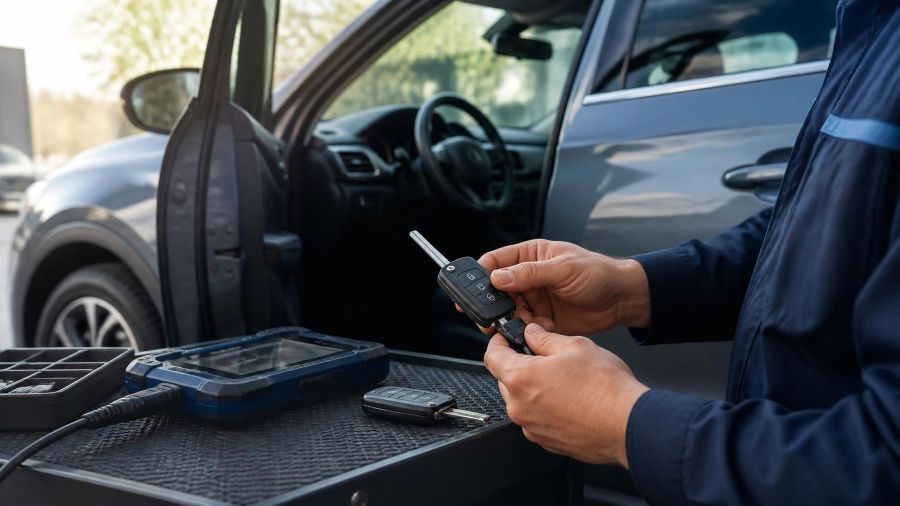
Ensuring the security of your home starts with your locks. But when it comes to improving home security, homeowners often wonder whether they should rekey their existing locks or replace them entirely. Both options have benefits depending on your situation, budget, and goals. In this blog, we’ll break down what rekeying and replacing locks mean, when to choose each, and which option can save you more money.
What Does Rekeying a Lock Mean?
Rekeying a lock involves changing the internal pins of your existing lock so that old keys no longer work. Essentially, it gives you a new key without replacing the entire lock hardware. It’s a cost-effective way to enhance security while keeping your current locks in place.
When Should You Rekey Your Locks?
After Moving into a New Home
One of the first things to consider after moving is that previous owners may still have keys. Rekeying ensures you’re the only one with access.
When a Key Has Been Lost or Stolen
Lost or stolen keys pose a serious security risk. Rekeying prevents anyone who finds the old key from entering your home.
To Remove Access from Previous Occupants
If you’ve had roommates or tenants, rekeying can remove access without replacing the locks entirely.
To Make All Locks Work With One Key
Rekeying allows you to have multiple locks in your home operate with a single key, simplifying access.
To Improve Security Without Replacing Hardware
Rekeying is a smart choice when you want better security without the cost of new locks or altering door hardware.
Why Rekeying Your Locks is a Smart Choice
- Cost-Effective: Less expensive than replacing locks.
- Quick Process: Often completed in under an hour.
- Customizable: Allows all locks to work with one key or provides unique keys for different doors.
- Environmentally Friendly: Reduces waste by reusing existing locks.
What It Means to Replace Your Locks
Replacing locks involves removing old locks and installing entirely new hardware. This is usually done when locks are outdated, damaged, or when homeowners want to upgrade to a new style or technology, such as smart or keyless locks.
When Should You Replace Your Locks?
Your Locks Are Old or Damaged
If your locks are worn out, rusty, or malfunctioning, replacement is safer than rekeying.
You Want a New Look That Matches Your Home
Replacing locks allows you to update the aesthetic of your doors to match new décor.
You’re Upgrading to Smart or Keyless Locks
Rekeying won’t help if you want modern features like smart entry, remote access, or keyless systems.
Rekeying is Not an Option
Some lock types, especially high-security models, cannot be rekeyed and must be replaced to change keys.
You Want a Complete Security Reset
Replacing locks ensures no one has access with old keys and gives you full control over your home’s security.
Considerations Before You Replace
- Cost is higher than rekeying.
- Installation may take longer.
- Cost is higher than rekeying.
- Consider compatibility with existing door hardware.
Rekeying vs. Replacing Locks: Which Option Saves You More
Rekeying is typically more affordable and faster, making it ideal for situations like moving into a new home or lost keys. Replacing locks is more expensive but offers benefits like upgraded security, new designs, and modern features. Choosing the right option depends on your security needs, budget, and whether your current locks are in good condition.
Conclusion
Both rekeying and replacing locks serve important purposes in maintaining home security. Rekeying is cost-effective, quick, and suitable for most situations where locks are still functional. Replacing locks is best for old, damaged, or outdated locks, or when upgrading to modern security features. Assess your needs carefully to make the choice that ensures your home remains safe and secure.
Contact us today to schedule a professional locksmith consultation and secure your home with the right solution!
FAQs
Most standard residential locks can be rekeyed, but some high-security locks may require replacement.
Yes, but it requires special tools and knowledge. Hiring a professional locksmith ensures proper rekeying.
Rekeying usually takes 15–30 minutes per lock, while replacement can take 30–60 minutes per lock depending on complexity.
Smart locks offer convenience, remote access, and enhanced security, making them a worthwhile upgrade for many homeowners.
Updating locks can improve security and may be viewed favorably by insurance providers. It’s best to inform your insurer after making changes.

Or Ben Haim is an experienced writer with a focus on locksmithing and security solutions. Driven by a passion for delivering practical insights, Or crafts compelling content that helps readers make well-informed choices about their safety. His expertise guarantees reliable and current information tailored to the needs of homeowners, businesses, and vehicle owners.