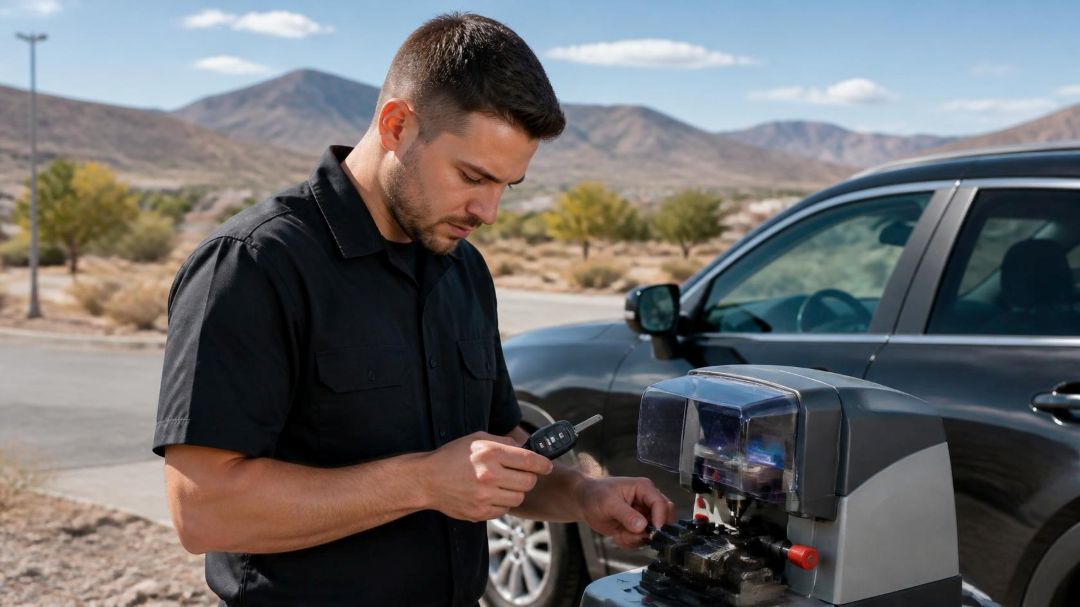
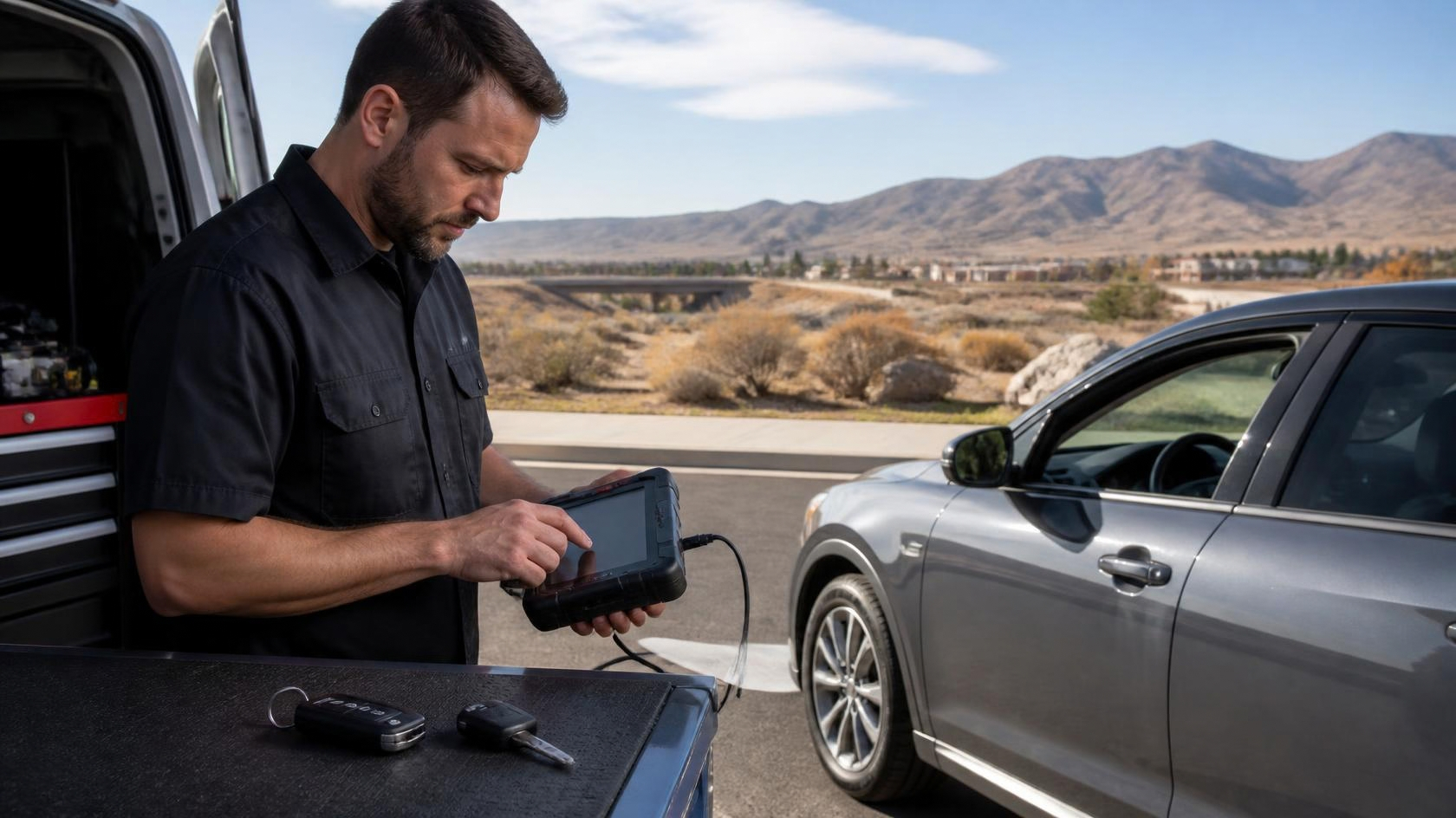
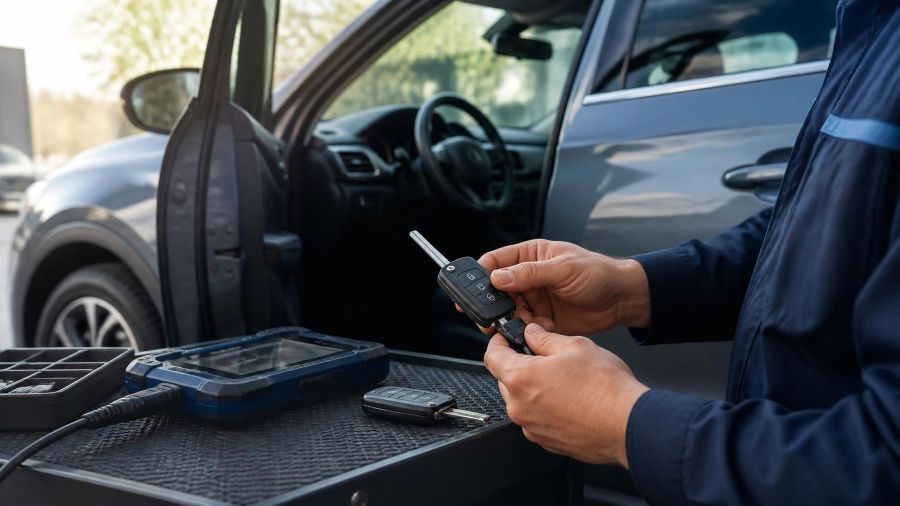
Rekeying your home locks means a locksmith changes the pins inside your existing lock cylinder so the old keys no longer turn it, and you get a new key instead. It is the fastest and cheapest way to control who can open your front door, and in most cases it takes about ten minutes per lock. If you have just moved, lost a key, rekey your home locks, or handed a spare to someone who is no longer part of your daily life, it is time to rekey.
The confusion most homeowners have is rekeying versus replacing. Replacing means buying and installing brand new hardware. Rekeying keeps the hardware you already own and simply invalidates every key currently in circulation. Unless your locks are damaged, badly worn, or too weak for the door they sit on, rekeying gives you the same security result for a lot less money.
Here are the five situations where rekeying is the right call.
Top 5 Reasons to Rekey Your Home Locks
1. You Just Moved Into a New Home
This is the single most common reason, and the most ignored. When you close on a house or sign a lease, you receive a set of keys. What you do not receive is a list of everyone who was handed a copy over the past fifteen years.
Think about who that could include: the previous owners, their adult children, a neighbor who watered the plants, a dog walker, a cleaner, contractors, the real estate agent, and anyone the previous owner gave a spare to and forgot about. None of those people are necessarily a threat. The problem is that you have no way of knowing how many keys exist or where they are.
Rekey before your first night in the house, or within the first week. Do every exterior door at once, including the garage service door and any side or basement entry that people forget about. That single visit resets the entire key history of the property to zero.
2. A Key Went Missing
A lost key is not the same as a misplaced key. If your keyring slipped out of your pocket at the gym, fell out of a bag on public transport, or was stolen along with your wallet, you have to assume the worst case.
What makes a lost keyring genuinely risky is what travels with it. A house key on its own is close to useless to a stranger. A house key attached to a car fob with a registration in the glovebox, or clipped to a work badge with your name on it, gives someone a key and an address at the same time.
There is also the quieter version of this problem: the key you loaned out and never got back. A friend borrowed it during a trip, a relative kept one “just in case,” a former neighbor still has one in a kitchen drawer. Each of those is an open door you cannot see.
If you cannot physically hold the key in your hand, treat it as compromised.
3. Someone Moved Out, Moved On, or Stopped Working for You
Life changes, and key access rarely changes with it. A roommate moves out at the end of a lease. A relationship ends. A tenant vacates a rental unit. A cleaner, nanny, contractor, or property manager finishes the job.
Most of these people return the key without any fuss. The issue is that returning a key proves nothing, because copies cost a few dollars at any hardware store and take about ninety seconds to cut. A returned key tells you one key came back. It does not tell you it was the only one.
Landlords in particular should treat this as routine rather than optional. Rekeying between tenants is standard practice for professional property managers, and in several states it is either legally required or strongly expected as part of a landlord’s duty to provide a secure unit. Check your local requirements, but the safe default is to rekey after every move out.
The trigger is not suspicion. It is turnover. You rekey because access changed, not because you think anyone did something wrong.
4. It Costs Far Less Than Replacing Every Lock
Cost is the reason many homeowners put this off, usually because they assume rekeying and replacing are priced the same. They are not.
In most US markets, a locksmith charges roughly $15 to $30 per cylinder to rekey, on top of a service call fee that typically runs $50 to $100. Replacing hardware means paying for the lock itself, which ranges from about $40 for a basic deadbolt to $200 or more for a quality smart lock, plus labor for each installation. On a house with four exterior doors, that difference adds up quickly.
Rekeying also solves a convenience problem that homeowners quietly live with for years. If your front door, back door, garage, and shed all take different keys, a locksmith can rekey them all to a single key during the same visit. One key, four doors, no fumbling on the porch in the rain.
Lock replacement still makes sense in specific cases: the lock is damaged, the mechanism sticks or grinds, the hardware is decades old, or your deadbolt is not an ANSI Grade 1 or Grade 2 unit. Weak hardware is a hardware problem, and no amount of rekeying fixes it.
5. After a Break-In or a Close Call
If someone got into your home, rekeying is not optional. Even when there is no visible damage to the lock, that lack of damage is exactly the warning sign. A clean entry with no broken glass and no splintered frame often means the intruder had a working key or picked the lock, and both scenarios mean your current key is no longer private.
The same applies to near misses. Tool marks around the cylinder, a scratched faceplate, a door that suddenly feels loose in the frame, or a key that starts sticking for no reason can all point to tampering. Have a locksmith inspect the door and rekey it while they are there.
Consider upgrading at the same time. High security cylinders with restricted keyways stop the casual copy at a hardware store, because the blanks are controlled and only authorized dealers can duplicate them.
Conclusion
Rekeying is one of the few home security upgrades that is genuinely quick, genuinely cheap, and genuinely effective. It does not require new hardware, it does not require construction, and it closes the one gap most homeowners never think about, which is the keys they cannot account for.
Run the check right now. Can you name every person holding a key to your home, and physically locate every copy? If the answer is no, or if you have moved, lost a key, had a roommate leave, or noticed anything odd about your door, book a locksmith this week. Ten minutes per lock is a small price for knowing exactly who can walk in.

Or Ben Haim is an experienced writer with a focus on locksmithing and security solutions. Driven by a passion for delivering practical insights, Or crafts compelling content that helps readers make well-informed choices about their safety. His expertise guarantees reliable and current information tailored to the needs of homeowners, businesses, and vehicle owners.